

BBQ on a charcoal grill is about managing heat, airflow, and timing so food cooks evenly with the flavor that charcoal is known for. Compared with gas grills, charcoal gives you stronger smoke aroma and better searing potential, but it also requires a repeatable method for lighting, setting up two-zone heat, controlling temperature, and handling flare-ups. Once you learn these fundamentals, you can grill everything from quick steaks to slow-cooked ribs with consistent results.
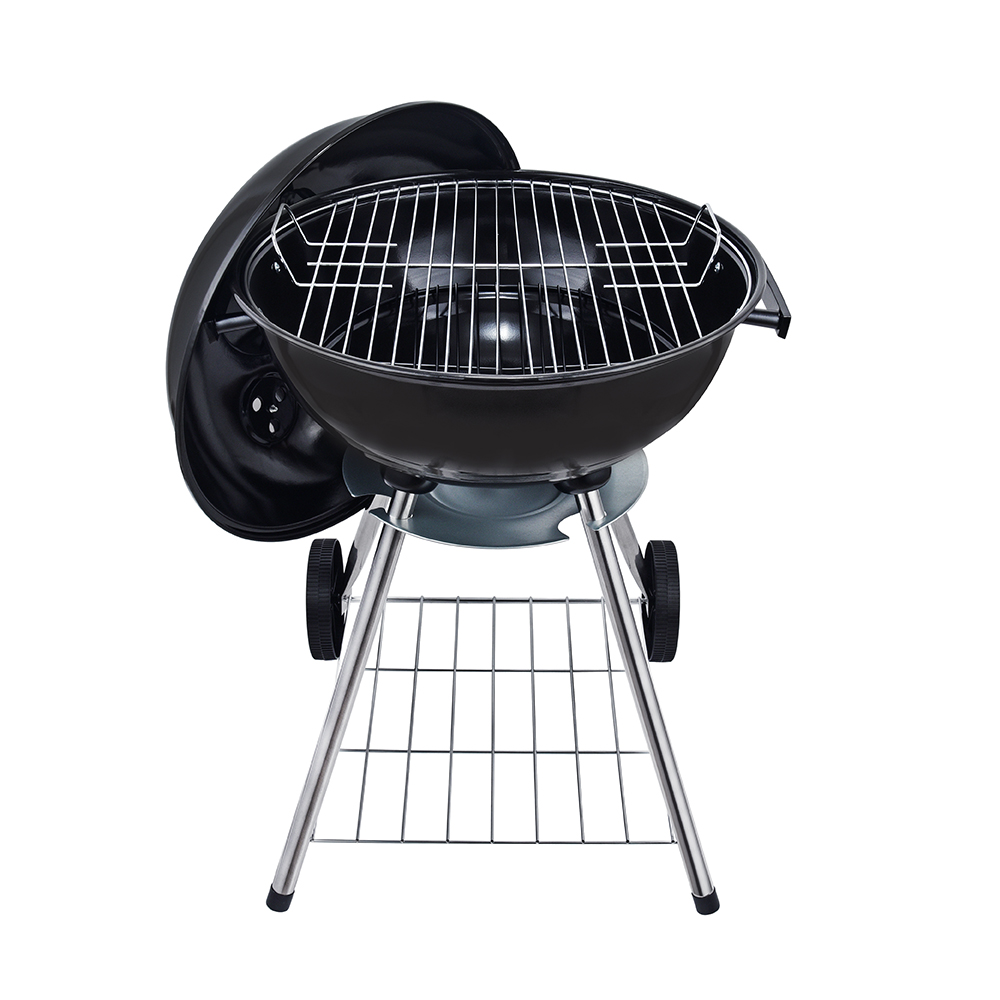
This guide walks through the full process step by step, from charcoal selection to fire setup, cooking techniques, and shutdown. Product reference: WOHAO Charcoal Grill.
Prepare Your Grill And Choose The Right Charcoal
Start with a safe setup. Place the grill on a stable, non-combustible surface with good ventilation, away from walls, fences, and low branches. Keep a heat-resistant glove, long tongs, and a spray bottle of water nearby for minor flare-ups. Clean the grates if they have old residue, because leftover grease can cause flare-ups and bitter smoke. If your grill has an ash catcher, empty it before lighting. Ash blocks airflow and makes temperature control harder.
Charcoal type affects heat and flavor:
- Lump charcoal lights quickly, burns hotter, and produces less ash, making it good for searing and fast grilling.
- Briquettes burn more evenly and hold heat longer, making them easier for steady medium heat and longer cooks.
If you plan to cook for a long session, briquettes can be simpler. If you want strong heat for steaks and quick browning, lump charcoal can perform better. Many experienced users mix both: briquettes for stability and lump for a hotter peak.
For smoke flavor, use small hardwood chunks rather than large logs. Add wood once the charcoal is fully lit and burning clean. Putting wood on too early can create thick white smoke that makes food taste harsh.
Light The Charcoal Cleanly And Build A Two-Zone Fire
A consistent BBQ result starts with consistent ignition. The cleanest method is a charcoal chimney. Load the chimney with charcoal, place crumpled paper or a fire starter under it, and light. Wait until the top coals show a light gray ash layer. This stage means the charcoal is hot and burning clean. Avoid lighter fluid if possible because it can add chemical odor and uneven lighting.
After the charcoal is ready, pour it into the grill and build a two-zone setup:
- Place most coals on one side to create a high-heat direct zone.
- Leave the other side with fewer or no coals to create an indirect zone.
Two-zone cooking is essential because it lets you sear over direct heat and then finish gently over indirect heat without burning. It also helps you manage flare-ups, because you can move food away from flames without stopping the cook.
Airflow controls temperature:
- Bottom vents control how much oxygen feeds the fire. More open means hotter.
- Top vents control how smoke and heat exit. A partially open top vent helps stabilize heat and guides smoke across food.
If the grill has a lid thermometer, use it as a general reference, but remember that temperature varies across zones. If you want more precision, place an external probe near the cooking grate level.
Master Heat Control For Different BBQ Styles
Charcoal grilling can cover multiple styles, from fast sear grilling to low-and-slow BBQ. The key is choosing the correct heat level and matching it to the food thickness.
Direct high heat works best for thin cuts and quick cooking. Indirect medium heat works best for thicker cuts that need time to cook through without burning. Low-and-slow requires careful fuel management and vent control.
Practical temperature targets:
- High heat for searing and quick browning
- Medium heat for chicken pieces, thicker burgers, and vegetables
- Lower heat for larger roasts or rib-style cooking
If you want longer cooks, add unlit charcoal to the hot coal pile to extend burn time. This is a simple way to maintain heat without fully relighting. Add small amounts gradually, then wait for the new charcoal to ignite cleanly before closing vents too much.
When you add wood chunks for smoke, add them to the hot coals. Use small amounts. Smoke should be thin and steady, not heavy and white.
Use The Right Cooking Technique: Sear, Indirect Finish, And Lid Management
Most common BBQ results improve when you follow a consistent pattern:
- Preheat the grill with the lid on so grates get hot.
- Oil the grates lightly to reduce sticking.
- Sear food over direct heat to build color and crust.
- Move food to indirect heat to finish to the correct internal temperature.
Lid management matters. With the lid open, heat escapes and food cooks mostly from direct radiant heat. With the lid closed, the grill behaves more like an oven, circulating heat and smoke. For thicker foods, closing the lid helps cook evenly. For flare-ups, opening the lid briefly reduces heat concentration and helps you regain control.
Avoid pressing burgers or meat aggressively. Pressing pushes juices out and increases flare-ups. Instead, flip at the right time. If the food sticks, it usually means it is not ready to flip. Wait a little longer and try again.
Resting is part of the process. After cooking, rest meat so juices redistribute. Resting improves texture and reduces dryness, especially for thicker cuts.
Timing And Doneness: A Practical Internal Temperature Guide
Cooking by time alone is unreliable because charcoal heat varies and food thickness changes. The most consistent way is to use internal temperature for doneness.
Use this reference table as a practical guide. Always account for carryover cooking, which means temperature can rise slightly after removing food from the grill.
| Food Type | Best Method | Doneness Target | Notes |
|---|---|---|---|
| Steak and chops | Direct sear then rest | Medium rare to medium range | Sear hot, then rest for texture |
| Burgers | Direct heat, moderate flame | Fully cooked center | Avoid pressing to reduce flare-ups |
| Chicken pieces | Two-zone, lid closed | Fully cooked thickest part | Finish indirect to avoid burnt skin |
| Sausages | Indirect then brief sear | Fully cooked through | Prevent casing splits by avoiding extreme direct heat early |
| Ribs | Indirect, longer cook | Tender finish | Add small wood chunks for aroma |
| Vegetables | Direct or indirect | Tender with browning | Use skewers or basket for small pieces |
| Fish | Indirect or gentle direct | Flaky texture | Oil grates and use careful flips |
If you do not have a thermometer, use visual cues, but expect less consistency. A thermometer is one of the highest value tools for charcoal grilling.
Clean Shutdown, Ash Handling, And Easy Maintenance
When cooking is done, shut down the grill safely. Close the vents to reduce oxygen and extinguish coals. Let the grill cool completely before handling ash. Ash can stay hot for many hours, so never dump warm ash into plastic bins or near combustible materials.
After cooling, remove ash and clean the grates. A warm grate is easier to brush, so many users brush the grate lightly right after cooking while the grill is still warm, then do deeper cleaning after cooling. Wipe exterior surfaces to remove smoke residue and keep the grill looking clean.
If you grill frequently, manage grease. Keep the drip area clean and avoid letting grease accumulate. Grease buildup increases flare-ups and can shorten the life of grill components.
For long-term use in different environments, choosing a solid build and stable structure helps with heat retention and consistent airflow. WOHAO provides multiple charcoal grill options in our Charcoal Grill lineup to match different usage scenarios.
Conclusion
To BBQ on a charcoal grill with consistent results, focus on clean ignition, a two-zone fire setup, airflow control, and a sear-then-finish method. Use the lid strategically to stabilize heat, rely on internal temperature for doneness, and shut down safely by closing vents and handling ash only after full cooling. Once these fundamentals become routine, charcoal grilling becomes easier, more repeatable, and produces the signature flavor that many cooks prefer.
If you want guidance on choosing the right charcoal grill size, configuration, or accessories for your cooking style, contact WOHAO anytime. You can browse our options in the Charcoal Grill range, and we can provide practical recommendations and usage guidance based on your needs.