

Choosing the right coffee canister size is mainly about matching your storage volume to how fast you finish your coffee, the format you store, and how you use it each day. A canister that is too small forces frequent refills and extra exposure to air. A canister that is too large traps a lot of empty headspace, which increases oxygen contact each time you open it and can reduce freshness.
If you are sourcing for home, office, café, or retail channels, WOHAO offers airtight storage solutions designed for daily use and repeat opening cycles. You can view the product range here: airtight canister.
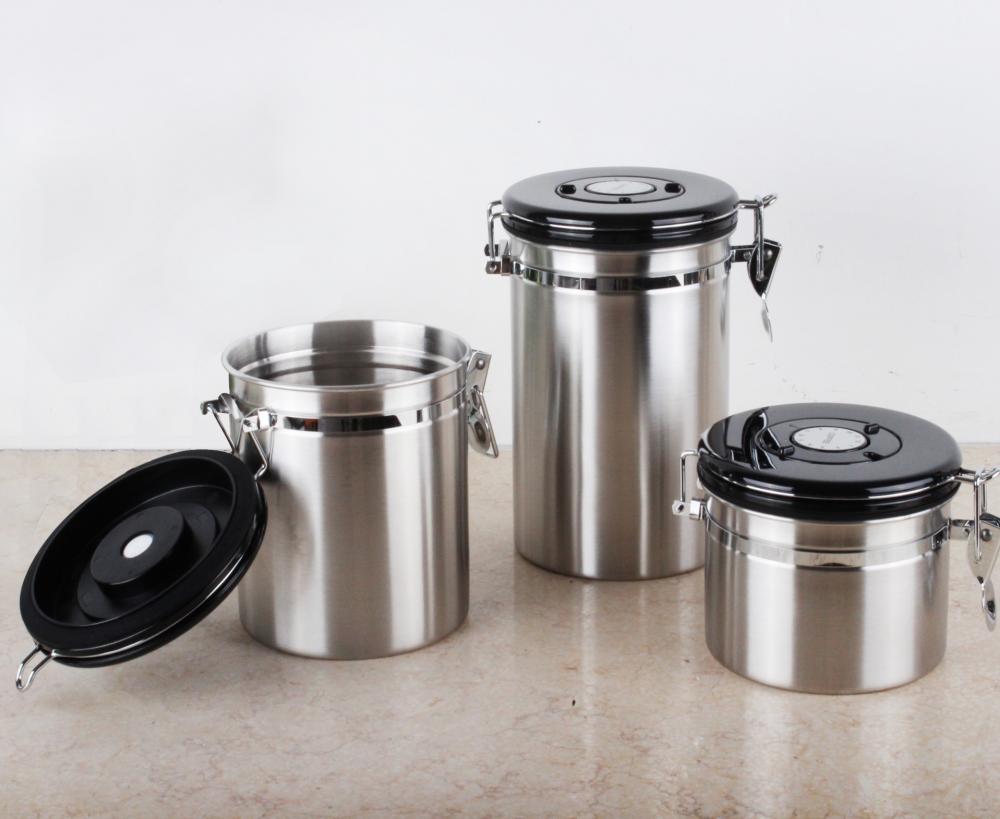
Start With How You Buy Coffee
Coffee is commonly purchased as whole beans or ground coffee. Whole beans generally keep quality longer than ground coffee after opening, but both benefit from airtight storage. Your canister size should follow your buying pattern.
- If you buy small bags and finish them quickly, choose a smaller canister that stays fuller most of the time.
- If you buy bulk for cost control, choose a larger canister, but consider splitting into two containers so only one is opened daily.
A practical goal is to choose a canister that fits your typical purchase amount with limited extra headspace.
Coffee Storage Volume Guide
Coffee is usually measured by weight, but canisters are sized by volume. Different roasts and grind sizes pack differently, so exact capacity varies. The guide below is intended for buying decisions and kitchen planning.
| Coffee you want to store | Approx. canister size range | Typical use case |
|---|---|---|
| 250 g bag | 0.7–1.0 L | Home use, frequent freshness focus |
| 500 g bag | 1.2–2.0 L | Home heavy drinkers, small office |
| 1 kg bulk | 2.5–4.0 L | Office pantry, café prep, bulk buying |
| Pods or capsules | 1.5–3.0 L | Counter storage for mixed pod types |
If you often store whole beans and grind daily, you can prioritize a size that fits your bag volume closely. If you store ground coffee, choosing a slightly smaller canister that stays fuller can help reduce oxygen exposure.
Match Canister Size to Daily Consumption
If you know how much coffee you brew per day, you can pick a size that supports a predictable refill schedule. This is useful for cafés, office coffee stations, and households that want consistent taste.
- Light use households often do well with a canister that holds about 1–2 weeks of coffee.
- High use homes and offices often need 2–4 weeks of storage, but splitting into two canisters reduces repeated exposure to air.
- For café back-of-house, it is common to keep a working canister on the bar and store reserve stock sealed separately.
This approach balances freshness with operational convenience.
Why Headspace Matters More Than Maximum Capacity
Many buyers choose the biggest canister available, but coffee storage performance depends on the seal and the air volume inside the container. Every time you open the lid, fresh oxygen enters. If the container is half empty most of the time, you are exposing coffee to more oxygen than necessary.
A better approach is to select a canister that stays at least two-thirds full during normal use, or to use two smaller canisters instead of one oversized one.
What Makes a Coffee Canister Work Well
A coffee canister must protect coffee from the three main enemies of flavor stability: oxygen, moisture, and odor transfer. An airtight sealing system is the foundation because it reduces air exchange and helps keep humidity from entering the container.
When evaluating an airtight canister for coffee storage, buyers typically focus on:
- Airtight closure that stays consistent across frequent open and close cycles
- Lid design that is easy to operate without stressing the seal
- Container material that resists odor absorption and is easy to clean
- Stable base and shape that fits shelves, drawers, or café prep counters
- Size options that support different purchase formats and user habits
WOHAO’s airtight canister line is positioned for coffee and dry goods storage where repeatability and daily usability matter.
Whole Beans vs Ground Coffee: Size and Handling Differences
Whole beans are more forgiving because they have less surface area exposed to oxygen. Ground coffee loses aroma faster, especially when stored with excessive air inside the container.
For whole beans, you can select a canister that matches your purchase size closely and refill when needed.
For ground coffee, it is safer to choose a slightly smaller canister or split your supply so the working canister stays fuller.
This is not about storing for months. It is about protecting aroma during normal daily consumption.
Canister Size for Different Kitchen Scenarios
Coffee storage needs differ across channels, which matters for B2B product planning.
- Home kitchens often prioritize countertop fit and a capacity that matches 250 g to 500 g bags.
- Office pantries often need larger sizes that reduce refill frequency and support multiple users.
- Cafés often need a working canister size that fits near grinders and espresso stations, with backup storage kept sealed.
- Hospitality and buffet operations often prefer easy-to-clean materials and stable shapes that support fast service.
A size range strategy is usually more effective than one universal canister.
Quick Checklist Before You Choose
Use this checklist to confirm the canister size and function match your real usage.
- Confirm your most common coffee purchase weight and whether you store beans or ground coffee.
- Choose a canister that fits that amount with limited headspace.
- If you buy bulk, plan for two-canister storage so only one is opened daily.
- Keep the canister away from heat and steam sources to reduce moisture exposure.
- Select an airtight sealing design that stays reliable under frequent daily use.
Conclusion
The best coffee canister size is the one that matches your typical purchase amount and keeps headspace low during daily use. For most households, a 0.7–2.0 L canister range covers common 250 g to 500 g coffee bags. Offices and cafés often benefit from larger sizes, but splitting bulk coffee into two airtight containers helps maintain better freshness. If you need airtight storage options that support different capacities and everyday handling, explore WOHAO’s airtight canister range.