

Aluminum stock pots are widely used in home kitchens and commercial foodservice because they heat quickly, respond fast to temperature changes, and are easy to handle at larger capacities. The common safety question usually comes down to one point: can aluminum from the pot transfer into food at a level that matters. In normal cooking conditions, a quality aluminum stock pot is considered safe for everyday use when you follow practical handling rules, especially around acidic foods and surface wear.
WOHAO manufactures cookware for global markets and exports to many countries. If you are sourcing for retail, hospitality, or foodservice, WOHAO’s aluminum stock pot line is positioned for large-batch cooking where stable heat transfer and consistent production quality are priorities.
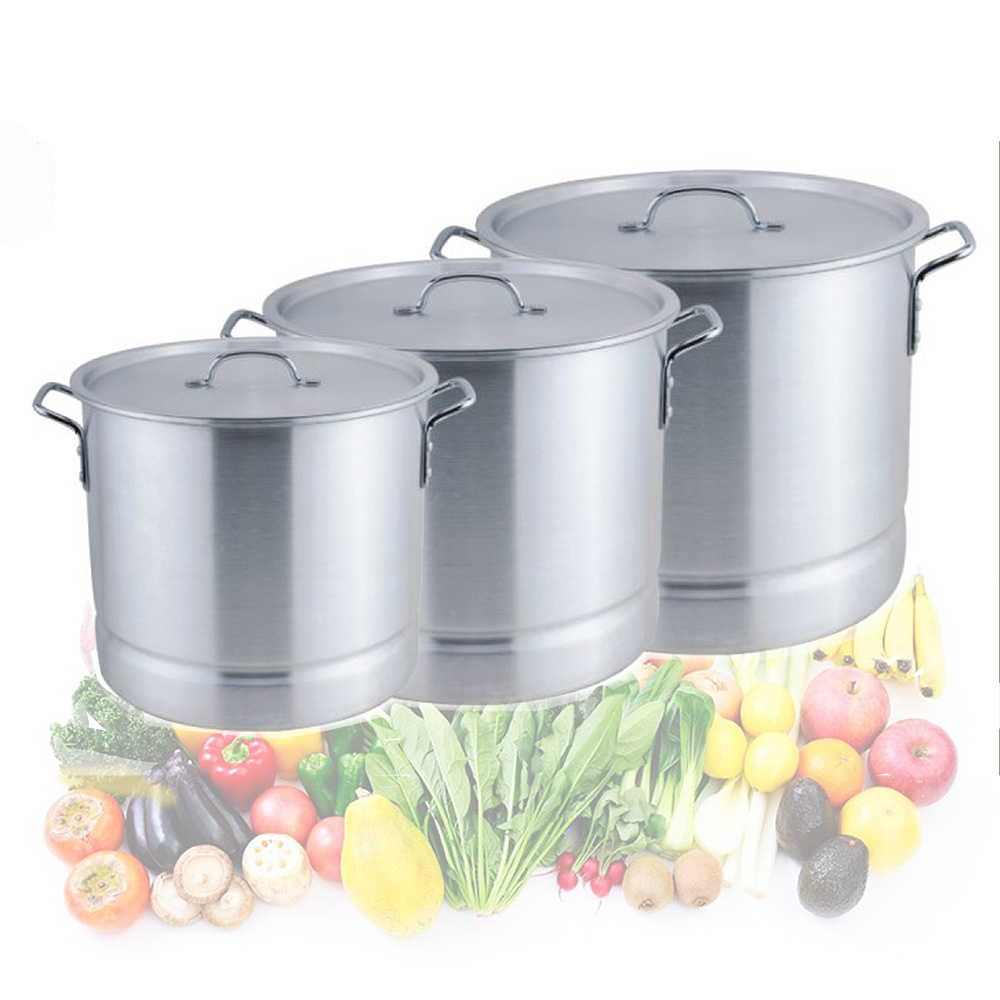
What People Mean When They Ask About Aluminum Safety
Aluminum is a reactive metal, which means it can interact with certain ingredients. That interaction is strongest when the food is highly acidic, highly salty, or cooked for a long time, and when the cookware surface is worn, scratched, or uncoated. In those cases, a small amount of aluminum can dissolve into the cooking liquid.
For most everyday cooking, the amount transferred is generally low, and your body can eliminate small amounts through normal metabolic processes. The practical safety approach is not to avoid aluminum entirely, but to use it correctly and choose cookware made for food contact with controlled manufacturing and surface quality.
When Aluminum Stock Pots Are a Safe Choice
Aluminum stock pots are typically a safe and efficient option for:
- Boiling pasta, noodles, dumplings, or vegetables
- Blanching, par-cooking, and reheating water-based foods
- Making large batches of soup, broth, or stock when acidity is controlled
- Cooking grains and beans when you avoid storing the food in the pot long-term
The benefit is consistent heat distribution and fast response, which helps reduce hot spots and improves batch consistency in commercial kitchens.
When You Should Be More Careful
Most concerns come from a few specific use cases. Aluminum cookware can be less suitable when:
- You cook highly acidic foods for long periods, such as tomato-heavy sauces, citrus-based reductions, or vinegar-forward braises
- You frequently cook very salty solutions for extended time
- The pot interior is heavily scratched, pitted, or shows clear signs of surface breakdown
- You store acidic food inside the pot for hours or overnight
These situations do not automatically make aluminum unsafe, but they increase the chance of taste changes and higher metal transfer. For buyers, the key is matching cookware material to menu style and operating habits.
How to Use an Aluminum Stock Pot Safely in Daily Cooking
Good use habits reduce the factors that increase aluminum transfer. The goal is to protect the cooking surface and control high-risk cooking conditions.
- Use the pot mainly for boiling, blanching, and neutral cooking tasks when possible.
- If you cook acidic foods, keep cook times reasonable and avoid aggressive simmering for many hours.
- Do not store leftovers in the pot, especially soups or sauces with tomato, vinegar, wine, or citrus. Transfer food to food-safe storage containers after cooking.
- Avoid metal utensils that scrape the interior. Use silicone, wood, or nylon tools to reduce surface wear.
- Clean with non-abrasive sponges and mild detergent. Avoid harsh scouring pads that can roughen the interior and make future sticking or wear more likely.
These steps are simple, but they are the same practices many professional kitchens use to keep aluminum cookware performing consistently.
Does Anodized or Coated Aluminum Make a Difference?
Yes. Anodized aluminum has a hardened oxide layer that is more resistant to corrosion and surface wear than untreated aluminum. In general use, this type of surface can reduce reactivity and improve stain resistance, which is one reason anodized aluminum is common in premium cookware lines.
Some aluminum cookware is also coated or designed with a protective interior surface. For buyers, it is important to confirm coating type, food-contact compliance, and durability expectations based on your market requirements and usage intensity.
Aluminum vs. Stainless Steel for Stock Pots
Both materials are common in kitchens, but they serve different priorities. Aluminum is valued for heat response and light weight. Stainless steel is valued for corrosion resistance and long simmering with acidic foods, especially when it has an aluminum core base for heat distribution.
| Comparison point | Aluminum stock pot | Stainless steel stock pot |
|---|---|---|
| Heat response | Fast, efficient | Slower unless multi-layer |
| Weight at large size | Lighter and easier to move | Heavier at similar capacity |
| Best for acidic long simmers | Not ideal for very long acidic cooking | Better choice |
| Everyday boiling and blanching | Strong fit | Strong fit |
| Care requirements | Avoid heavy abrasion and long acidic storage | More tolerant, still needs cleaning |
If your menu includes frequent tomato-based production, stainless steel may reduce operational restrictions. If your priority is fast boiling and large-volume handling, aluminum can be a strong match.
What to Look for in a Quality Aluminum Stock Pot for B2B Sourcing
Safety and performance are connected to manufacturing control. For procurement and product managers, these checkpoints help reduce claims and improve user experience:
- Food-contact material control and traceability
- Consistent thickness and forming quality to reduce warping risk
- Lid fit consistency for controlled evaporation and heat retention
- Handle attachment strength appropriate for full-load lifting
- Surface quality that resists rapid pitting and cleans easily
- Packaging and inspection standards suitable for export logistics
WOHAO is an established manufacturer and exporter, founded in 1997, with a professional team and a factory footprint in the 10,000 to 30,000 square meter range, serving export markets at high share across multiple regions. This manufacturing base supports stable output for cookware categories including aluminum and stainless steel items.
Practical Use Guide by Food Type
This quick guide helps users choose when to use aluminum and when to switch cookware.
| Food type | Safe in aluminum stock pot | Usage notes |
|---|---|---|
| Water, pasta, vegetables | Yes | Standard daily use, easy to manage |
| Stocks and broths | Yes | Avoid storing overnight in the pot |
| Tomato-based soup or sauce | Use with care | Reduce long simmer times, avoid storage |
| Vinegar or citrus-heavy liquids | Use with care | Better to use stainless for long reduction |
| Very salty brines | Use with care | Limit prolonged boiling, rinse and dry well |
Conclusion
It is generally safe to cook in aluminum stock pots when the cookware is made for food contact and you follow practical use rules. Aluminum performs well for boiling, blanching, and high-volume cooking because it heats efficiently and is easier to handle at large sizes. The main precautions are limiting very long cooking of highly acidic or highly salty foods, avoiding heavy abrasion, and not storing acidic leftovers in the pot.
For buyers selecting cookware by application, an aluminum stock pot can be a reliable option for many kitchens when matched to the right cooking tasks and maintained with correct cleaning habits. To review options for large-capacity cooking and export supply, visit WOHAO’s aluminum stock pot page.