

Choosing between an aluminum stock pot and a stainless steel stock pot influences how efficiently you cook, how evenly heat spreads across the pot, and how long the cookware lasts in a busy kitchen. Both materials are widely used in home and commercial cooking, yet they offer distinctly different performance characteristics. Aluminum is known for its exceptional heat conductivity, while stainless steel is valued for strength, durability, and resistance to corrosion. Many cooks make the decision based on their cooking habits and the type of food preparation they do most often. High-quality aluminum cookware—such as the options available in WOHAO aluminum stock pots—can deliver reliable performance in large-batch cooking, while stainless steel remains a sturdy and versatile choice. Understanding the differences helps determine which material fits your kitchen better.
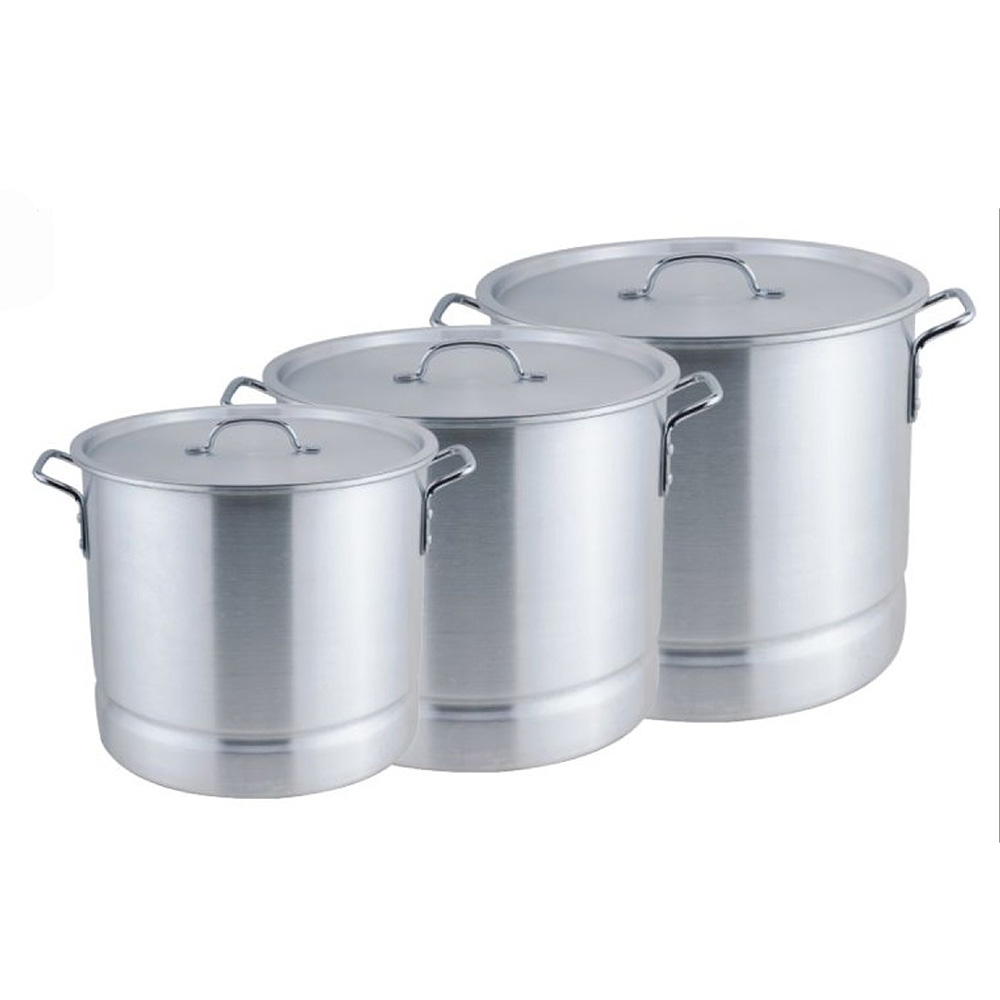
1. Heat Conductivity and Cooking Performance
Heat conductivity is one of the biggest factors separating aluminum from stainless steel. Aluminum conducts heat extremely well, creating fast and even temperature distribution across the entire pot surface. This makes it ideal for simmering soups, boiling water, and preparing large batches where consistent heating reduces cooking time. Stainless steel, on the other hand, is a poor heat conductor unless paired with an aluminum or copper core. Because of this, stainless steel stock pots often take longer to heat and may develop hot spots.
For cooks who require rapid heating and efficient energy use, aluminum often provides an advantage. When the pot responds quickly to changes in temperature, managing simmer levels becomes much easier. Stainless steel offers steadier but slower heat changes, which some cooks prefer for braising or delicate recipes. Stock pots like those in the WOHAO aluminum stock pots collection maximize the benefits of aluminum’s thermal performance, making them well-suited for everyday boiling, steaming, and broth preparation.
2. Durability, Strength, and Structural Stability
Durability is another area where aluminum and stainless steel differ. Stainless steel is significantly harder and more resistant to dents, scratches, and structural deformation. It retains its appearance for many years and withstands heavy kitchen use. This strength makes stainless steel stock pots ideal for busy households or commercial kitchens where cookware experiences constant handling.
Aluminum is softer, which means it may show dents or surface marks more easily. However, modern manufacturing greatly improves its resilience. Hard-anodized aluminum, for example, becomes stronger and more scratch-resistant than raw aluminum. Coated aluminum stock pots also maintain their integrity longer when taken care of properly.
While stainless steel wins in terms of hardness, anodized aluminum products—like WOHAO aluminum stock pots—are engineered to withstand frequent use without warping. For users who prioritize maximum lifetime durability, stainless steel remains the traditional choice, but aluminum continues to offer excellent practicality for lightweight, high-efficiency cooking.
3. Weight, Handling Comfort, and Ease of Use
The weight of the cookware affects how comfortable it is to use, especially when dealing with large quantities of liquid. Stock pots are often filled with water, broth, vegetables, or meats, making them heavy even before the cooking begins.
Aluminum’s lightweight nature provides a clear advantage here. Lifting, pouring, cleaning, and storing an aluminum pot feels more manageable, particularly for home cooks or older users. Stainless steel pots, especially in larger volumes, can become significantly heavy, making them more challenging to move when full.
In everyday cooking routines, lighter cookware reduces wrist strain and improves handling safety. The ergonomic designs used in WOHAO aluminum stock pots support this advantage by pairing lightweight bodies with stable, comfortable handles. Stainless steel remains suitable for users who prefer a more substantial feel, but for practical handling, aluminum often offers more comfort.
4. Maintenance, Cleaning, and Surface Care
Both materials have different maintenance requirements. Stainless steel is known for its resistance to rust, staining, and chemical reactions. It cleans well with typical dishwashing methods, and burnt residue can usually be removed with scrubbing or specialized cleaners. Stainless steel does not react with acidic foods, which makes it ideal for tomato sauces, citrus-based recipes, or vinegar-heavy dishes.
Aluminum is more reactive, although anodized or coated aluminum reduces this concern significantly. Uncoated aluminum may discolor when exposed to acidic ingredients, but most modern stock pots include protective surfaces that prevent reactions. Cleaning aluminum is often easier than cleaning stainless steel because food releases more smoothly from the surface.
For cooks wanting low-maintenance cookware with strong resilience, stainless steel has an advantage. However, modern coated or anodized aluminum—like the designs in WOHAO aluminum stock pots—provides a cleaner cooking experience with minimal frustration, making it suitable for fast, daily meal preparation.
5. Cost, Value, and Long-Term Investment
Cost is an important factor when comparing aluminum and stainless steel. Aluminum stock pots are generally more affordable because the material is less expensive and easier to form. For families or kitchens that need multiple pot sizes, aluminum provides a cost-effective way to build a cookware collection without sacrificing performance.
Stainless steel stock pots cost more, but their long-term durability often makes them a worthwhile investment. Their resistance to wear and deformation means they can last decades with proper care. For those building a premium kitchen setup, stainless steel often aligns with long-term expectations.
Below is a simple comparison:
| Category | Aluminum Stock Pot | Stainless Steel Stock Pot |
|---|---|---|
| Price Range | Lower | Higher |
| Heat Conductivity | Excellent | Moderate |
| Weight | Light | Heavy |
| Durability | Moderate–High (anodized) | Very High |
| Reactivity | Low–Moderate (coated) | None |
| Best Use | Daily cooking, boiling, steaming | High-heat cooking, acidic foods |
Cookware options within the WOHAO aluminum stock pots product line provide high value by combining affordability with effective performance, making them ideal for households seeking dependable cookware without unnecessary expense.
6. Which Stock Pot Is Better for Your Kitchen?
Deciding between aluminum and stainless steel ultimately depends on your cooking habits. Aluminum excels in fast heating, responsiveness, and easy handling, making it perfect for broth preparation, boiling pasta, steaming seafood, and cooking large batches efficiently. Stainless steel shines in durability, non-reactivity, and long-term value, making it ideal for recipes involving acids or slow-cook techniques.
To choose the best option, consider:
- How often you cook large meals
- Whether you need lightweight cookware
- If you frequently cook acidic ingredients
- The durability level you expect
- Your budget for kitchen upgrades
Both materials have clear strengths. Aluminum stock pots—especially high-quality models like WOHAO aluminum stock pots—offer excellent thermal efficiency and practicality. Stainless steel remains a premium choice for cooks who prioritize longevity and resistance to wear. The best pot is the one that fits seamlessly into your cooking routine and provides reliable performance every time.
Summary
Aluminum and stainless steel stock pots each offer strong advantages depending on your kitchen needs. Aluminum provides lightweight handling, fast heating, and cost-effective value, making it excellent for everyday boiling and steaming. Stainless steel delivers maximum durability, corrosion resistance, and suitability for acidic foods. High-quality aluminum cookware—such as WOHAO aluminum stock pots—bridges the gap by offering strong performance at an accessible price. By understanding your cooking habits and the strengths of each material, you can choose the stock pot that elevates efficiency and comfort in your kitchen.