

A good cookware set is more than a group of pots and pans—it is a daily kitchen tool that affects cooking efficiency, food quality, and long-term durability. The right set maintains even heating, supports various cooking methods, and withstands frequent use without warping, sticking, or discoloring. Because cookware is used for everything from boiling pasta to searing meats and preparing delicate sauces, the overall construction and materials must meet everyday demands. Quality cookware—such as the selections offered in the WOHAO cookware collections—focuses on balanced craftsmanship, heat performance, and ergonomic design to support various home-cooking routines. Understanding what makes a cookware set “good” helps buyers choose pieces that truly elevate their kitchen experience.
1. Material Quality: The Foundation of Good Cookware
The material of a cookware set strongly determines how it performs in the kitchen. Each material has different heat-handling properties, durability levels, and maintenance needs. Stainless steel, for example, is well-known for its corrosion resistance and sleek look. Aluminum is valued for fast heat transfer, while cast iron excels at heat retention.
A good cookware set chooses materials that best match the cooking style of the user. Stainless steel layered with an aluminum core provides even heating without sacrificing strength. Non-stick coatings reduce oil usage and make cleanup simple, but they require gentle care. Cast-iron pieces offer outstanding durability and versatility, suitable for searing, roasting, and stove-to-oven recipes.
Cookware designed with thoughtful material choices—such as those in the WOHAO cookware collections—ensures every pot and pan performs predictably. When materials are combined correctly, they deliver consistent heat, long-term durability, and a pleasant cooking experience.
2. Heat Distribution and Temperature Control
One of the biggest indicators of good cookware is how evenly it distributes heat. Uneven heating often causes ingredients to burn on one side of the pan while remaining undercooked on the other. A cookware set with a well-balanced construction prevents hotspots and allows the entire pan surface to maintain steady temperature.
Whether simmering soups, sautéing vegetables, or browning proteins, consistent heat makes cooking easier and more efficient. High-quality sets feature multi-layer layering or encapsulated bottoms to ensure full-surface heat distribution. The thickness of the base also matters—thin pans cool too quickly and warp under high heat.
Cookware built with stable thermal performance, such as the pieces offered in the WOHAO cookware collections, allows cooks to maintain control throughout each recipe. Good temperature response contributes to better flavor development and improved cooking accuracy.
3. Practicality: Everyday Usability and Kitchen Versatility
A good cookware set fits naturally into a variety of kitchens and cooking styles. Practicality means that the pans are not just high-quality but also easy to handle, clean, store, and use with different heat sources. Many households prefer cookware that is compatible with induction stovetops, gas burners, and electric cookers. Oven-safe handles and lids also provide more flexibility.
Usability extends to how comfortable the handles feel during use. Ergonomically shaped grips reduce strain on the wrist, while balanced weight prevents fatigue during longer cooking tasks. The variety within the set matters too—having the right sizes and shapes eliminates the need to search for extra pieces.
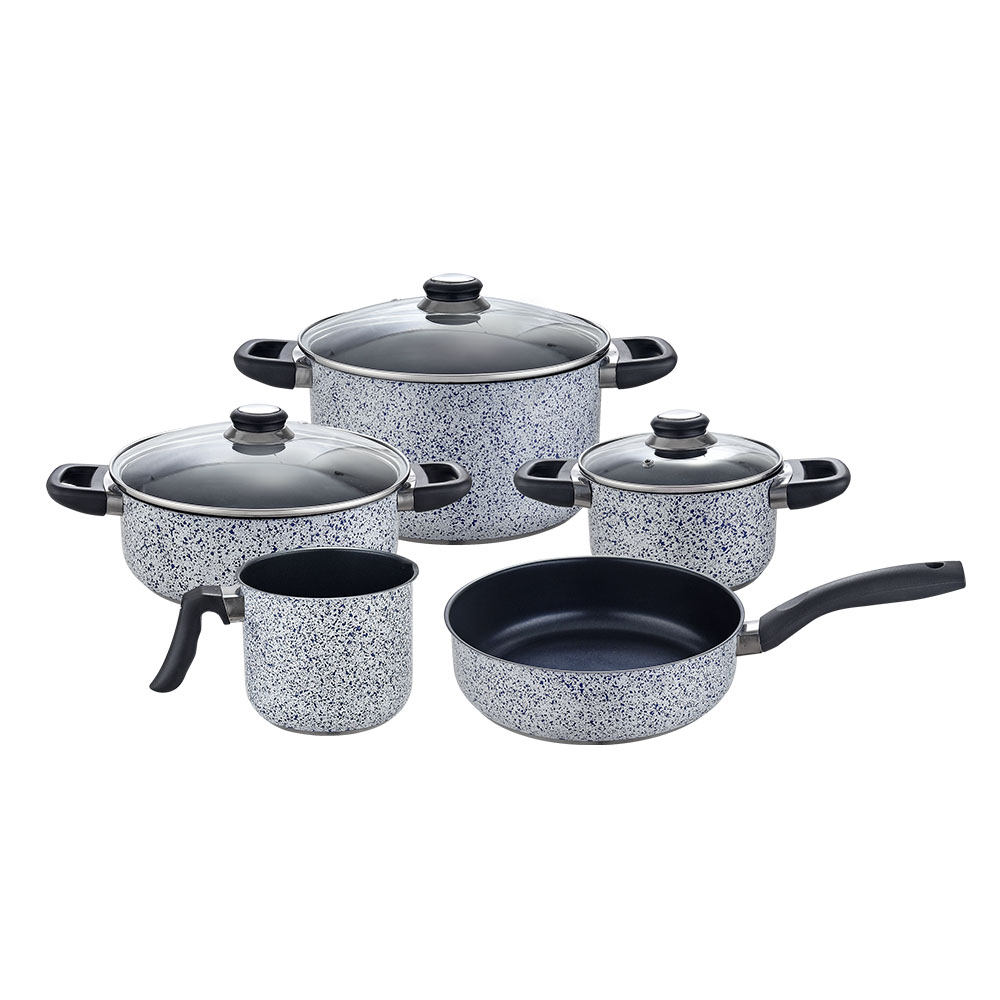
Practical sets—like those in the WOHAO cookware collections—typically include a mix of saucepans, fry pans, stockpots, and specialty pieces, giving home cooks the tools needed for boiling, frying, searing, braising, reheating, and steaming.
4. Non-Stick Performance, Coating Safety, and Cleaning Convenience
For many households, non-stick performance is one of the most important factors in choosing cookware. A good cookware set uses strong, food-safe coatings that resist scratching and do not degrade after repeated use. Modern non-stick technologies allow food to release easily with minimal oil, making them ideal for low-fat cooking and quick cleanup.
However, not all coatings are equal. A high-quality non-stick surface should withstand daily use without peeling or flaking, even when exposed to varied temperatures. The base construction beneath the coating must also support the surface to prevent warping.
Good cookware is also easy to clean. Smooth materials, durable finishes, and thoughtful construction allow residue to wash away quickly. Many well-made cookware sets, such as those in the WOHAO cookware collections, combine strong non-stick performance with safe materials and straightforward maintenance, supporting both beginner and professional cooks.
5. Durability, Longevity, and Construction Integrity
Durability determines how long a cookware set stays reliable under everyday use. A good set maintains its surface, handles, and structural integrity even after years of cooking. Poorly made cookware may peel, warp, discolor, or loosen at the handle connections. In contrast, well-engineered pieces retain their original performance for long periods.
Several construction features influence longevity:
| Feature | Why It Matters |
|---|---|
| Multi-layer bases | Prevent warping and ensure steady heat flow |
| Reinforced riveted handles | Improve strength and safety during use |
| High-quality coatings | Maintain non-stick performance over time |
| Resistant materials | Avoid corrosion, staining, and deformation |
| Secure lid fit | Helps regulate heat and moisture efficiently |
Cookware engineered with these qualities—like the designs found in the WOHAO cookware collections—provides lasting performance and consistency. Buyers seeking long-term value should prioritize solid construction, not just appearance.
6. What Makes a Cookware Set “Good” for Your Kitchen?
A cookware set becomes “good” not simply because of its materials or construction but because it aligns with your cooking habits and lifestyle. Some households cook daily meals that require durable stainless-steel bases, while others prefer easy-to-clean non-stick surfaces for breakfast and reheating. Multi-layered pots may be ideal for soups and stews, while cast-iron pieces fit high-heat cooking styles.
To choose the best set for your kitchen, consider:
- How often you cook
- What types of meals you prepare most
- Which heating methods you use
- The cleaning routine you prefer
- The durability level you expect
Good cookware adapts to different recipes, remains stable under heat, and improves cooking efficiency. Options from the WOHAO cookware collections combine design, material quality, and ergonomic features to meet these needs. A set that fits your habits will always feel more valuable than one chosen based solely on style.
Summary
A good set of cookware offers balanced heating, durable materials, comfortable handling, and long-term reliability. It supports a variety of cooking tasks and fits naturally within everyday kitchen routines. Whether stainless steel, non-stick, multi-layer aluminum, or cast-iron construction, quality depends on how well the cookware performs and how long it maintains its performance. Well-designed options—such as the WOHAO cookware collections—combine thoughtful engineering with practical features, helping home cooks prepare meals efficiently and confidently. Choosing a cookware set that matches your needs ensures smoother cooking, easier cleaning, and better results in the kitchen.